


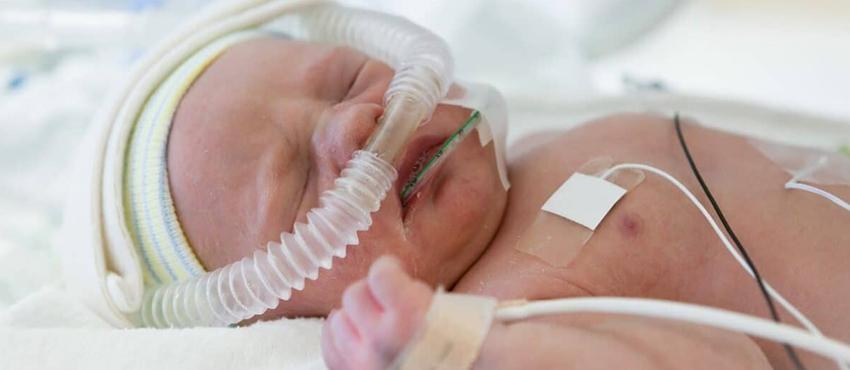
Non-Invasive Ventilation (NIV)
At Dr. Santosh’s Chirayu Hospital, we provide advanced Non-Invasive Ventilation (NIV) support for infants, children, and adults with breathing difficulties. NIV is a safe and effective method of respiratory support that helps patients breathe better without the need for intubation.
Our NIV services are delivered under continuous monitoring by experienced doctors and trained nursing staff to ensure patient comfort and safety.
What is Non-Invasive Ventilation (NIV)?
Non-Invasive Ventilation provides breathing support through a mask or nasal interface, supplying pressurized air to improve oxygen levels and reduce breathing effort. It is commonly used in both emergency and critical care settings.
Conditions Where NIV Is Used
- Respiratory distress in newborns and children
- Bronchiolitis and pneumonia
- Asthma exacerbations
- Acute respiratory infections
- Sleep-related breathing disorders
- Post-operative respiratory support
- Patients not requiring invasive ventilation
Benefits of NIV
Improved Breathing Support
Helps maintain adequate oxygen levels and reduces breathing effort.
Avoids Intubation
Reduces the need for invasive ventilation and associated complications.
Better Patient Comfort
Allows patients to remain conscious, eat, speak, and cough comfortably.
Continuous Monitoring
Carefully supervised 24×7 by trained medical professionals.
NIV Facilities at Chirayu Hospital
- CPAP and BiPAP ventilation support
- Continuous oxygen saturation monitoring
- Trained pediatric and critical care specialists
- Seamless escalation to invasive ventilation if required
- NICU and PICU backup support
Why Choose Chirayu Hospital for NIV Support?
- Advanced respiratory care facilities
- Experienced pediatricians and physicians
- Safe, non-invasive treatment approach
- 24×7 emergency and critical care support
- Ethical and transparent care
- Child-friendly and patient-focused environment
At Dr. Santosh’s Chirayu Hospital, our Non-Invasive Ventilation services help patients breathe easier, recover faster, and avoid invasive procedures whenever possible — with care, comfort, and clinical excellence.